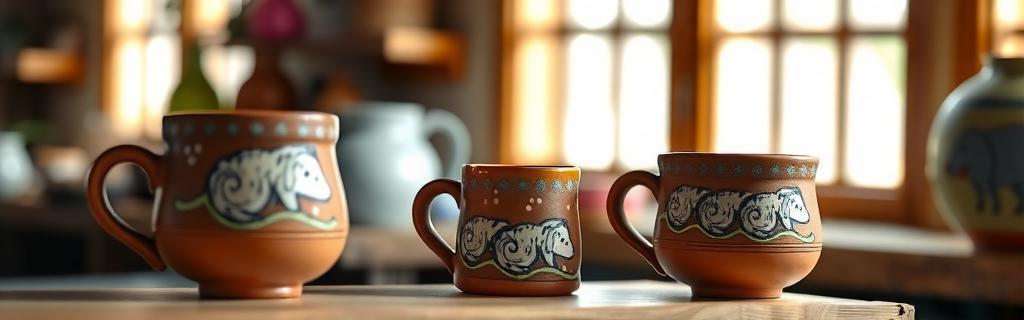
So, you’ve heard the call of the clay? That irresistible siren song of spinning wheels and tactile exploration? Excellent! You’re about to embark on a journey of artistic discovery that will connect you with ancient traditions, unlock hidden creativity, and maybe, just maybe, leave you covered in a delightful dusting of earthenware magic. Welcome to the wonderful world of pottery! And I’m here to show you all there is to see in the wonderful world of pottery classes!
- Why Pottery? More Than Just Mud Pies.
- Exploring the Pottery Landscape: A Tale of Two Techniques
- Entering the Studio: Your First Pottery Adventure
- Embrace the Mess, Cherish the Learning
- Building Bridges, Not Just Bowls: The Social Connection
- Imperfection is a Masterpiece, A Work Of Art
- Conclusion: Dive In and Get Dirty!
Why Pottery? More Than Just Mud Pies.
Forget the fast-paced digital world for a moment. Pottery is a visceral experience. It’s the feeling of cool, yielding clay in your hands, the satisfying whir of the wheel, and the almost alchemical transformation that happens when fire kisses your creation. Beyond the tangible rewards – unique bowls, mugs with character, whimsical sculptures – pottery offers something deeper:
Creative Flow
Unleash your inner artist and sculpt your vision into reality. There’s no right or wrong, only experimentation and personal expression.
Mindful Meditation
The repetitive, rhythmic motions of pottery are surprisingly meditative. Center yourself, de-stress, and find calm in the present moment.
A Tangible Connection
Create functional art that becomes a part of your daily life. Imagine sipping your morning coffee from a mug you crafted with your own two hands!
A Thriving Community
Pottery studios are often buzzing with kindred spirits, sharing tips, inspiration, and laughter. It’s a wonderful way to connect with fellow art enthusiasts.
Exploring the Pottery Landscape: A Tale of Two Techniques
Beginner pottery classes typically dip their toes into two main ways of giving clay its shape:
Wheel Throwing
Imagine gracefully coaxing a lump of clay into a perfectly balanced form as it spins on a motorized potter’s wheel. That’s wheel throwing in a nutshell. This technique is ideal for creating symmetrical pieces like bowls, cups, and vases. Prepare for a challenge, though! Centering the clay is a fundamental skill that takes patience and practice, but the feeling of creating a form from seemingly nothing is incredibly rewarding.
Hand Building
Embrace the tactile joy of shaping clay with your own two hands! Hand building encompasses techniques like:
- Pinch Pots: Starting with a ball of clay and pinching your way to form.
- Coil Building: Rolling coils and carefully binding them to create a shape of your choice.
- Slab Construction: Constructing vessels or sculptures from rolled out clay sheets.
Many beginner classes thoughtfully incorporate both wheel throwing and hand-building, giving you a taste of each technique and allowing you to discover which speaks to your artistic soul.
Entering the Studio: Your First Pottery Adventure
Walking into a pottery studio for the first time is like opening the door to a whimsical laboratory of endless possibility! Here’s a sneak peek of what awaits:
A Supportive Sanctuary
Most studios pride themselves on cultivating a nurturing, inclusive atmosphere. Don’t hesitate to ask questions, celebrate failures, and learn from others’ experiences.
Meeting Your Materials and Tools
Your instructor will introduce you to the essential tools of the trade, including the star of the show!
- Clay: The foundation of everything.
- Potter’s Wheel: The master of form for those who chose wheel throwing.
- Hand-Building Tools: The sculptor’s companion.
- The Kiln: From fragile to fantastic.
- Glazes: Let there be color.
- Mastering Basic Techniques:
- Wedging: Taming the clay and removing air bubbles.
- Centering: Your new archenemy.
- Opening: Creating the heart of your vessel.
- Pulling: The graceful raising of the walls.
- Pinching: Start here!
- Coiling: Stack ’em high!
- Slab Construction: No longer flat!
Embrace the Mess, Cherish the Learning
Pottery is hands-on, heart-felt, and wonderfully messy. Come prepared to get your hands dirty and embrace the tactile nature of this beautiful craft! The joy is found not in achieving “perfect” pieces but in embracing the journey of experimentation and creative exploration. Studio etiquette demands that after you are done experimenting, you need to keep your space clean. It’s important to maintain a studio conducive to creation for everyone. Don’t get too caught up in creating art to leave a huge mess for the teacher to deal with after! You should also manage your expectations when starting. Do not worry if your first attempt is a disaster, all pottery artists begin somewhere and failure helps the success in making beautiful forms later!
You will have plenty of opportunities to perfect your technique as you repeat the same class. Most studios encourage people to work on projects at their own pace. Remember to breathe and cherish the moments where your clay starts taking the shapes that you love! When you are all done it’s time to manage all the clean-up from creating.
Dressing the Part: What to Wear & Bring
Comfortable Layers
Pottery studios can be cool and wet, it’s recommended to dress accordingly.
Closed-Toe Shoes
Protect your feet from falling tools and pieces of clay.
Bring An Apron, if you can!
Pottery studios might carry an apron for students.
Hydrate
Hydration helps, bring water.
Tie Back Your Long Hair
Getting it stuck on the clay will ruin the magic and make your art not worth what it’s worth.
Dust Masks, Rags, and Sponges are your Friends
Fine materials might irritate your nose so bring anything to deal with irritants that affect you.
Building Bridges, Not Just Bowls: The Social Connection
It may seem weird, but you have been building more than bowls in your pottery classes. Socialization is a great part of the charm of pottery as you have met a community of people who share a passion and may continue on that journey of knowledge and expertise with you! These like-minded individuals share a collective artistic soul who enjoy working with clay. Embrace these communities with open arms! You might learn some things along the way too.
Imperfection is a Masterpiece, A Work Of Art
There’s beauty in imperfection and even the best artists start somewhere, so never be afraid of imperfections along the way and embrace a new unique side to your art.
Conclusion: Dive In and Get Dirty!
There’s an array of beginner pottery classes tailored to every interest and budget. If the wheel or hand-building captures your fancy, take the class and immerse yourself in what the artform entails! Beginner classes generally cost anywhere from $45 to over $200, with some studios offering multi-week courses for a more immersive experience. When choosing a class, consider factors such as location, class size, and instructor experience. Remember to wear comfortable clothes, and most importantly, come prepared to have fun and embrace the creative process!
